
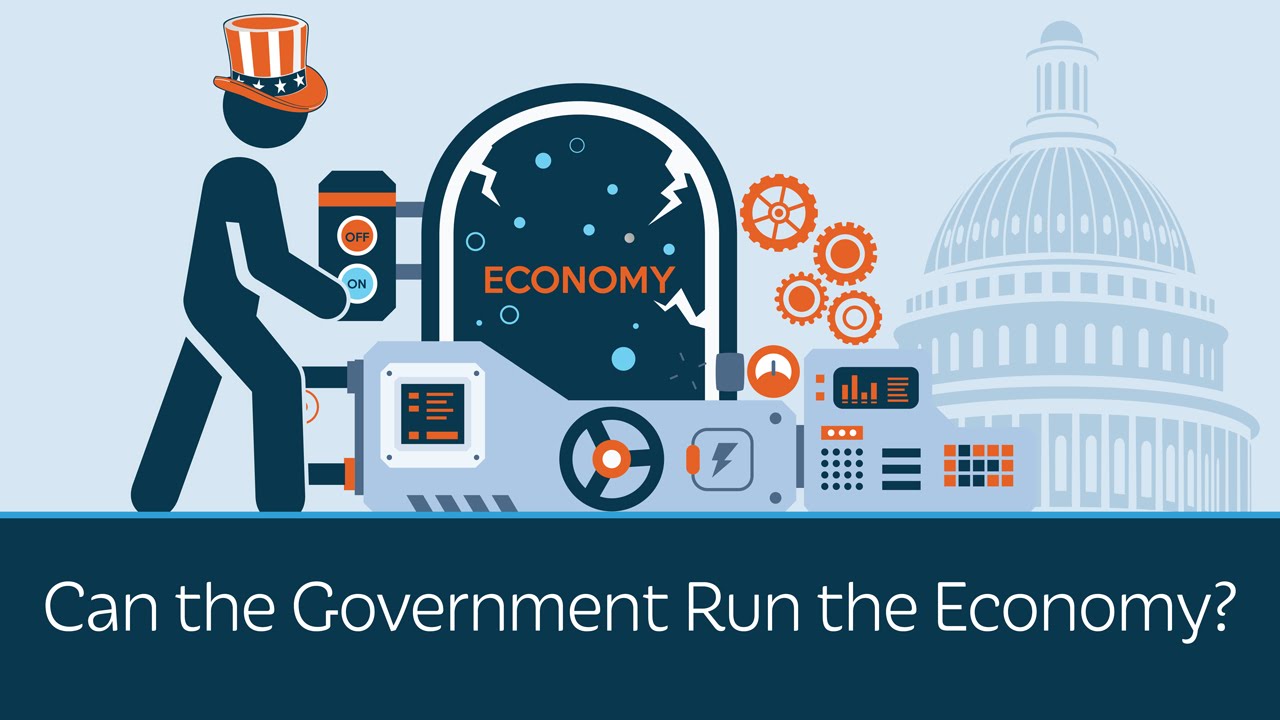
Economic planning allows governments to guide national development through strategic policies and public investment. Policymakers analyze economic indicators, employment trends, and industry performance when designing national economic strategies.
Infrastructure investment is often one of the most important components of economic planning. Transportation systems, energy networks, and digital infrastructure support business activity and improve productivity across multiple sectors.
Education and workforce development also contribute to economic growth. Governments support universities and vocational training programs that prepare individuals for modern labor markets.
Public finance policies influence how governments allocate resources to social programs, research initiatives, and economic development projects. Responsible budgeting ensures that public funds support long-term national priorities.
International trade policies also influence economic planning. Countries negotiate trade agreements that expand market access and encourage cross-border investment.
Effective economic planning requires coordination between government institutions, private sector organizations, and academic experts. By combining research, policy analysis, and strategic investment, governments can support sustainable economic development.